Can misted double glazing be cleared without replacing the unit?
Misted double glazing: can the seal be repaired?
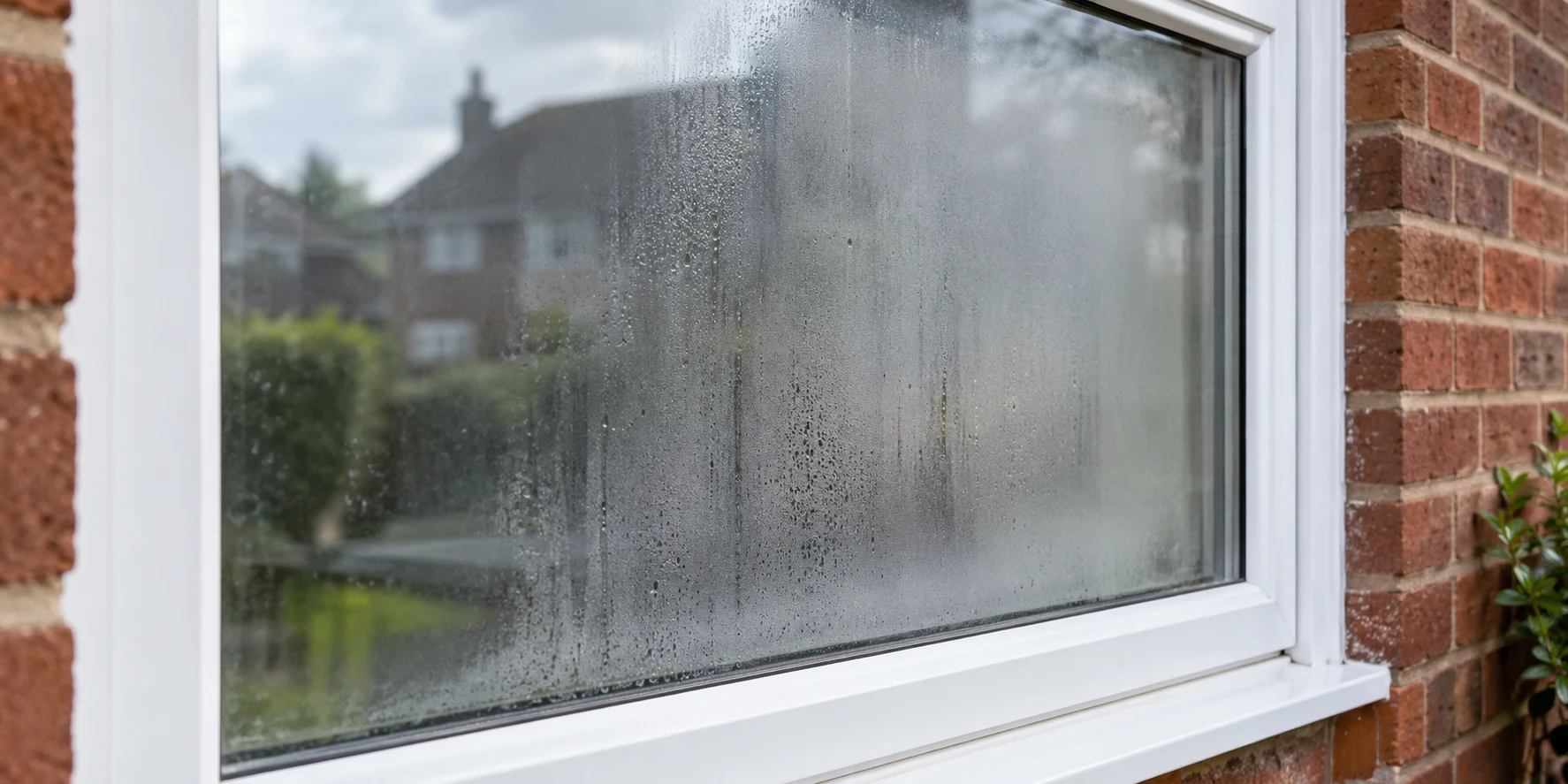
If you have noticed a foggy or cloudy layer between the panes of a double-glazed window, you are not alone. This is a common problem in older insulating glass units (IGUs), and it happens when the perimeter seal fails and moisture-laden air seeps into the cavity. The immediate question is whether the unit can be restored without fitting a whole new sealed pane. The short answer is yes, it is sometimes possible to clear the mist without replacement, but the outcome depends on the type of unit, the extent of the seal failure, and whether you are prepared to accept a compromise in thermal performance or appearance.
In many cases, especially for modern sealed units, the most reliable solution is still to replace the IGU. But for those who want to try a repair, there are methods that can work, particularly on older windows where the frame and glass are otherwise sound. The key is to understand how the unit is constructed and why it has misted in the first place.
How double glazing mists up
A standard double-glazed window consists of two panes of glass separated by a spacer bar and sealed around the edges with a primary seal (usually polyisobutylene) and a secondary seal (often silicone or polysulphide). The cavity between the panes is filled with a dry gas such as argon or simply dehydrated air, and a desiccant inside the spacer absorbs any residual moisture. As long as the seals remain intact, the cavity stays dry and the glass stays clear.
When the perimeter seal deteriorates, due to age, thermal cycling, or physical damage, the gas can escape and moisture can enter. Condensation then forms on the inner surfaces of the panes when the temperature drops, creating that misted appearance. The desiccant may also become saturated and unable to absorb more moisture.

Repair options for misted units
There are a few approaches to clearing misted double glazing without replacing the whole unit. Each has its own set of trade-offs.
1. Drilling and venting
One common DIY method involves drilling one or two small holes through the spacer bar or the glass edge (into the cavity) to allow the moisture to escape. The idea is that the cavity then breathes with the outside air, so condensation can dry out. Sometimes a desiccant pack is inserted through the hole, or the hole is left open with a small vent cover.
This can clear the mist temporarily, but it has significant drawbacks. The gas fill is lost, so the thermal performance of the window drops to that of a single-glazed unit with a gap. The cavity may also become prone to dust ingress or further moisture entry. For a south-facing window or a room where insulation matters, this might not be acceptable. However, for a garage, a utility room, or a window where appearance matters more than insulation, it can be a low-cost fix.
2. Injecting desiccant through the seal
Another method is to inject a desiccant powder or a drying agent directly into the cavity through a small hole drilled in the sealant near the spacer. The desiccant absorbs the moisture, and the hole is then sealed with a new bead of silicone. This can be effective for a while, but it is not a permanent solution because the desiccant will eventually become saturated again, and the seal may still be compromised. It is a bit like putting a temporary bandage on a wound that needs stitching.
3. Re-sealing the perimeter
For some older units where the glass is in good condition and the frame is robust, it is possible to remove the window from the frame, separate the panes, clean the cavity, replace the spacer and desiccant, and then re-seal the unit. This is essentially a rebuild of the IGU. It requires patience, the right tools (such as a glass cutter or a sealant gun), and a clean workspace. It is not a job for a novice, and the success rate depends on getting a perfect seal. If the seal is not airtight, the problem will return within months.
When replacement is the smarter choice
For most modern sealed units, especially those with a low-e coating or argon fill, attempting a repair is rarely worth the effort. The cost of a new IGU is relatively modest compared to the time and risk involved in a do-it-yourself fix. A new unit will also come with a warranty and guaranteed thermal performance. If the misting is accompanied by broken seals, cracked glass, or a failed desiccant, replacement is almost always the best route.
Another factor is the window type. For timber frames, the seal failure may be linked to rot or water ingress in the frame itself, which would also need addressing. For uPVC frames, the unit might be bonded to the frame, making removal and repair more involved. In both cases, a professional assessment is advisable.
What to check before deciding
- Check the age of the window. If it is less than ten years old and still under warranty, the manufacturer may replace the unit free of charge.
- Look at the frame condition. If the frame is damaged or rotting, repairing the glass alone will not solve the underlying issue.
- Assess the extent of the mist. Light fog that clears on warm days might indicate a minor seal breach; persistent heavy mist suggests a complete seal failure.
- Consider the location of the window. For a north-facing or shaded window, thermal performance may be less critical; for a large south-facing window, insulation matters more.
Professional help
If you decide that repair is not for you, or if the unit is beyond a simple fix, a professional glazier can replace the IGU quickly. For those in the Cannock area, a reliable service to consider is arrivalocksmiths.co.uk, which offers glazing services alongside its locksmith work. They can assess the window and advise on whether a repair or replacement is the better option.

It is also worth noting that a misted window is not just a cosmetic issue. The loss of insulating gas means higher energy bills, and the moisture can eventually lead to mould growth on the frame or sill. So even if you choose to live with the mist for a while, it is a problem that should be addressed sooner rather than later.
The takeaway
Clearing misted double glazing without replacing the unit is possible in some circumstances, particularly for older or less critical windows where thermal performance is not a priority. Drilling and venting can work as a temporary fix, and a full rebuild of the IGU is an option for those with the skill and patience. But for most modern windows, replacement is the most reliable and cost-effective solution. A professional glazier can give you a clear picture of what is best for your specific window and your budget. For a trusted local service, you can reach out to arrivalocksmiths.co.uk for advice and assistance. The key is to act before the moisture causes secondary damage to the frame or the surrounding wall.